Why is this job open? Find out before your interview
A new team, a promotion or a quick exit? Knowing why a role is open tells you what to talk about. Where to look, and what to ask.
Before an interview, find out why the job is open. It’s the quickest way to learn what the interviewer actually cares about. A brand-new role means they want someone to build. A replacement means they want someone to keep things running, or fix what wasn’t. Look at the job post, the company’s news and LinkedIn, then ask in the first conversation: “What led to this role opening up?”
Why it matters
Every job is open for a reason, and the reason shapes the whole interview:
- A new role or a growing team. They need someone to set things up. Talk about times you built something from scratch.
- Someone was promoted. The work is going well and they want more of the same. Show you can step in without a long ramp-up.
- Someone left. It might be normal turnover, or there may be a gap to fill. Talk about how you’d keep things steady and what you’d improve.
- A new project, product or office. They’re betting on something. Show you understand the bet and why you’d help it work.
The same story from your past can be told four different ways. Knowing which way to tell it is half the job.
Where to look before the interview
- The job post. Words like “new”, “first”, “build” or “establish” point to a new role. “Own and maintain” or “take over” point to a replacement.
- The company’s news. Funding, a new product, a new office or a reorganization often explains a wave of hiring.
- LinkedIn. Search for the job title at the company. If someone held it until recently, they may have moved on or moved up. Look at how big the team is and how fast it’s growing.
- Other open jobs. Five similar roles at once means a team is growing. One role that keeps getting reposted can mean they’re picky, or that people don’t stay.
- Reviews. Glassdoor and similar sites can hint at turnover on a team. Take any single review with a grain of salt.
Write what you find on an interview prep sheet, next to the stories you plan to tell.
How to ask
Ask early, ideally in the recruiter screen. Keep it simple and curious:
- “What led to this role opening up?”
- “Is this a new role, or are you replacing someone?”
- “What would you like the person in this role to do differently, or keep doing?”
- “What does success look like in the first 90 days?”
The last one is the most useful. It tells you what the team needs right now, whatever the reason the role is open.
How to use the answer
Once you know why the role is open, tie your answers to it. If they’re building a new team, lead with stories where you started something. If they’re replacing someone who left, lead with stories where you picked up messy work and made it steady. End your “Why this job?” answer with the reason they gave you. It shows you listened.
Practice with the reason built in
Hunter’s mock interviews do some of this homework for you. Pick a job you’re interviewing for, and Hunter reads up on the company while it gets the interview ready. The AI interviewer then opens by telling you, out loud, what the company does and why the role is probably open, just like a real interviewer might. You practice answering with that in mind, and get a scorecard at the end. See Practice a mock interview.
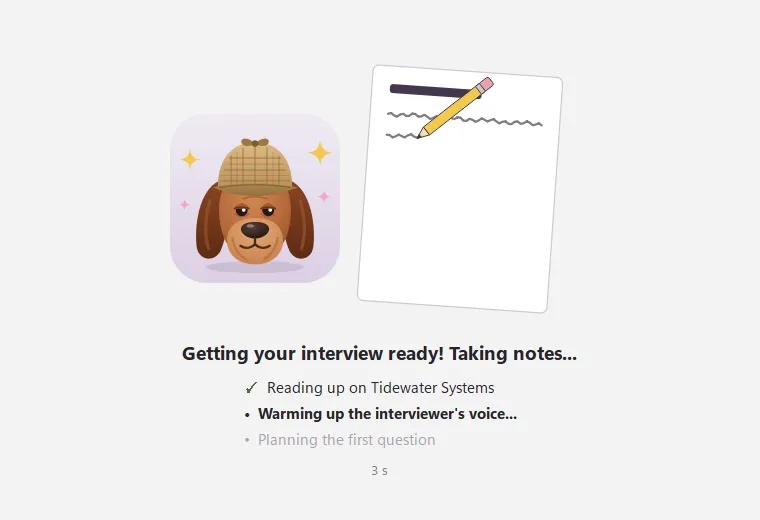
Hunter’s guess about why a role is open comes from public information, so treat it as a starting point. Then ask the real interviewer.
The short version
- Find out why the job is open before you walk in.
- Check the job post, company news, LinkedIn and other open roles.
- Ask early: “What led to this role opening up?”
- Tell your stories in the way that fits the reason.
Questions people ask
Is it rude to ask why the position is open?
No. It's one of the most common questions candidates ask, and interviewers expect it. Ask it plainly and with curiosity, for example "What led to this role opening up?"
What if the last person was fired?
You probably won't hear that directly. Listen for what they want done differently, and ask what success looks like in the first 90 days. That tells you what went wrong without making anyone uncomfortable.
When should I ask?
Early, if you can. The recruiter screen is a good place. Then you can shape your answers in later rounds around what the team needs.
Still scratching your head?
Send us a note and a real person will get back to you.